
Why We Cook Over Fire
Two hearths, two registers, one kitchen
Fire is the oldest tool a kitchen has. It still does things gas and electric cannot: puts a real crust on lamb, crisps octopus so the edges snap while the center holds tender, cracks fish skin the moment a fork touches it. The char is not decoration. It is the flavor.
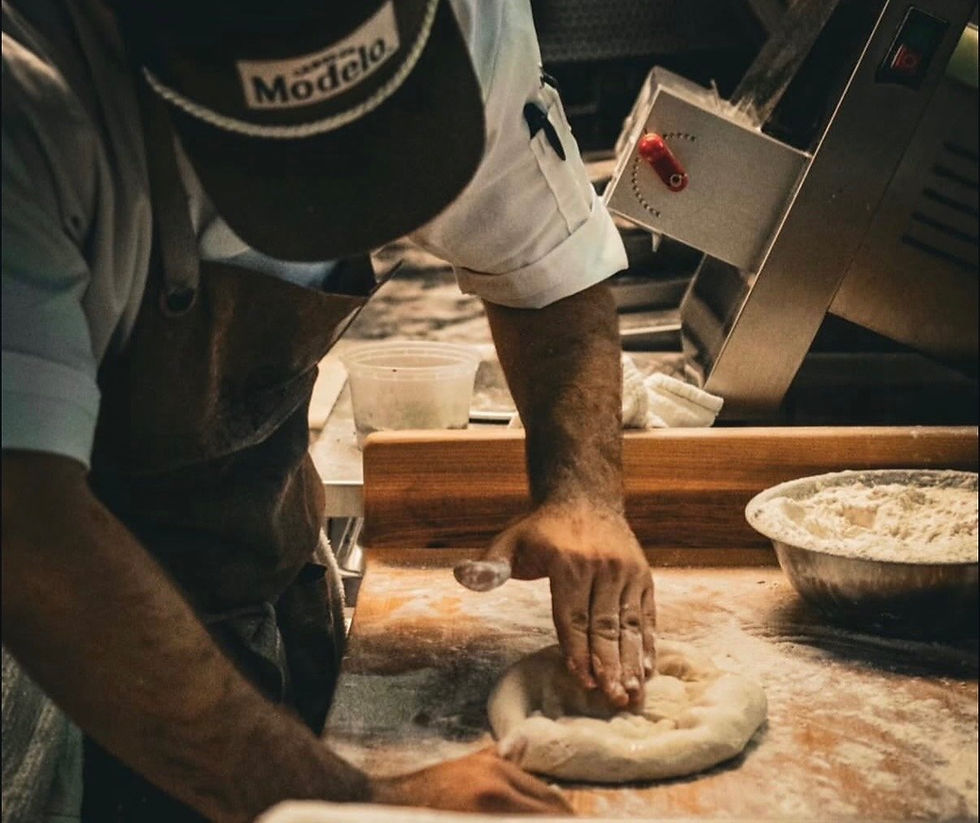
Two hearths carry the cooking here. The Mibrasa coal-fired grill at Brooklyn burns hardwood charcoal at around 700°F— the heat a Galician asador would recognize. The Earthstone wood-fired oven, at both locations, holds the steady radiant heat of the clay hearths that have baked bread across the Mediterranean for centuries. A 24-hour cold-fermented pizza crust blisters in seconds. Whole fish roasts slowly. Flatbreads finish fast.
Brooklyn runs both hearths side by side. Jacksonville Beach runs the Earthstone — visible through the kitchen pass, its glow the first thing you see when you walk in.
Why Aegean Cooking, in Jacksonville
Aegean - A Shared Coast
The Aegean coast is a thousand miles of kitchens that never met each other and cook like cousins — Greece, Turkey, Southern Italy, Croatia, Lebanon, coastal Provence. Different languages. One shared relationship with fire, olive oil, and the sea.
That relationship is this menu: meze pulled apart at the table, whole fish roasted over wood, lamb off hardwood coals, bread torn by hand, olive oil poured like water. Wine from grapes — Assyrtiko, Xinomavro, Nerello Mascalese — that most of the country has never tasted.
Jacksonville sits on its own coast, with its own light and its own evening air. This cooking belongs here. The covered courtyard in Brooklyn proves it. The block off the Atlantic in Jax Beach will prove it again.

Why Nothing in Our Kitchen Touches Seed Oil
Two fats run this kitchen — Iliada extra virgin olive oil and beef tallow. Nothing else. The Mediterranean pantry has worked this way for a very long time, and most guests notice by the first bite without being told why.
Every Evening Is Built Around Three Things
The table is the product. Everything else is a delivery mechanism.
I
The Olive Oil Pour
The way the Mediterranean has always said welcome. A shallow plate of Iliada extra virgin, warm pita torn by hand. The first thing worth ordering — and the last thing you'll stop reaching for.
II
The Fire Moment
The dish that arrives still crackling, in the narrow window when the food is most alive — a window the kitchen gets to deliver only once per plate. The octopus. The lamb. The pizza pulled straight from the Earthstone. You'll know it when it arrives.
III
The Lingering
The close that is not a close: dessert from the wood-fired oven, and something slow to drink — an amaro, a fortified wine, a chilled grappa — because the best part of dinner is the part where no one is in a hurry to leave.
This place is built for people who treat dinner like it counts. When the table needs its own walls, a private room serves the same purpose for a larger group.
One Example of What That Standard Looks Like
If the table is the product and the kitchen is the delivery mechanism, then the things that arrive at the table have to carry the standard the kitchen claims. Royal Osetra Caviar is the cleanest example of that on the menu — eight to sixteen years of maturation in a single tin. A single product on the menu carrying more time in it than most restaurants carry in their entire sourcing operation. Every protein on the menu meets a version of that test. Every supplier earns its place by name.


Frequently Asked Questions
What is Aegean cuisine?
Aegean cuisine is the shared cooking tradition of the Aegean coast — Greece, Turkey, Southern Italy, Croatia, Lebanon, and coastal Provence. Different countries, different languages, but one common relationship with fire, olive oil, and the sea. The format is meze: dishes arrive and the table shares them. The pantry runs on first-press olive oil, salt, citrus, herbs, and seasonal vegetables. Proteins come off live fire — coal grill, wood oven — and arrive at the pace the table sets, not the room's. Alder & Oak cooks from that tradition; not "Mediterranean fusion," and not Greek food specifically, but the wider Aegean register that runs through all of those kitchens.
Why does Alder & Oak cook over fire?
Fire is the oldest tool a kitchen has, and it still does things gas and electric cannot — a real crust on lamb, octopus that snaps at the edge while the center holds tender, fish skin that cracks the moment a fork touches it. The Mibrasa coal-fired grill at Brooklyn burns hardwood charcoal at around 700°F. The Earthstone wood-fired oven runs at both locations and finishes whole fish, 24-hour cold-fermented pizza, and breads that the Mediterranean has been baking in clay hearths for centuries. The char is not decoration. It is the flavor.
What's the difference between Alder & Oak and other Mediterranean restaurants?
Alder & Oak is Aegean-specific — Greek, Turkish, and coastal Mediterranean cooking — not a generic Mediterranean blend. The kitchen runs a Mibrasa coal-fired grill and an Earthstone wood-fired oven. Nothing in the kitchen touches seed oil; only Iliada extra virgin olive oil and beef tallow. Every protein traces to a named producer. Every evening is built around three rituals: The Olive Oil Pour, The Fire Moment, and The Lingering. The combination is specific to A&O — the cuisine, the equipment, the fat philosophy, the named-source rule, and the ritual architecture all work together as one position.
Why no seed oils?
The Mediterranean pantry has worked on olive oil and animal fat for a very long time. The kitchen kept the original two — Iliada extra virgin olive oil and beef tallow — and dropped the rest. Most guests notice by the first bite without being told why. The full sourcing story →
What are The Olive Oil Pour, The Fire Moment, and The Lingering?
They are the three rituals every Alder & Oak evening is built around.
The Olive Oil Pour
is the table's first ritual — warm pita, torn, and a shallow plate of Iliada olive oil. Order it and the evening begins.
The Fire Moment
is the dish that arrives still crackling, in the narrow window when the food is most alive.
The Lingering
is the close that is not a close — dessert from the wood-fired oven and something slow to drink, because the best part of dinner is the part where no one is in a hurry to leave.